
How Prop TVs Elevate Home Staging in the U.S. Market
Home Staging Trends in the U.S.
The Importance of Home Staging in Real Estate
In the highly competitive U.S. real estate market, home staging has become a vital tool for inspiring buyers.
From model homes to furniture showrooms, creating a realistic lifestyle setting often determines sales success.
Why Prop TVs Are the Ideal Choice
Unlike real TVs, YIJIA prop TVs require no power, reduce costs, and eliminate risks of maintenance or theft.
Key Benefits of Prop TVs
-
Realistic high-end screen simulation
-
Zero energy consumption
-
No technical maintenance required
-
Lower overall staging costs
Prop TVs allow designers to focus on atmosphere instead of technical issues, delivering a seamless showroom experience.
Applications in Showrooms & Model Homes
Furniture Showrooms
In furniture retail spaces such as IKEA, prop TVs help create immersive lifestyle scenes that encourage buyers to imagine real living environments.
Luxury Model Homes
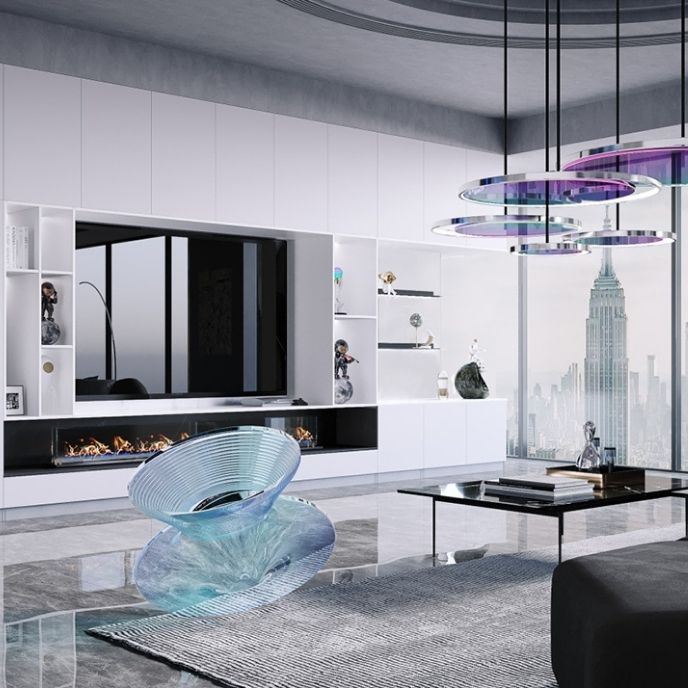
In premium U.S. developments, prop TVs enhance living room and entertainment areas, helping buyers visualize family moments, movie nights, or weekend gatherings, creating emotional resonance.
Conclusion: Transform Your Staging Projects
Contact YIJIA Props today to explore how prop TVs can transform your U.S. staging projects—making them more cost-effective, realistic, and emotionally engaging.
 Why Australian Property Developers Use Display Electronics in Model Homes
 Why Minimalist Interior Design Works Better With Prop Electronics
 Why Furniture Showrooms Are Using Dummy TVs Instead of Real Screens
 42 vs 50 vs 55 Prop TV for Staging: How to Choose the Right Size for Showrooms & Model Homes