
Fake TV for Staging: 42 vs 50 vs 55 vs 60 vs 70 (Which Size Looks Right?)
Fake TVs for staging are not about entertainment — they are about scale, balance, and visual credibility in a room. In showrooms and model homes, the wrong TV size can quietly make a living room feel “off”: too small looks under-scaled, too large overwhelms the wall and furniture.
YIJIA Props TVs are also known as prop TV, dummy TV, fake TV for staging, and faux TV — built for showroom and model-home display.
If you’re planning a showroom vignette, a real estate model home, or a staged living room set, this guide compares the most commonly used sizes: 42, 50, 55, 60, and 70 inches.
For a full overview of how Props TVs are used in professional environments:
Props TV for Showrooms (Guide)
Quick Rule of Thumb (Fast Decision)
-
If you want the safest “looks-right-almost-everywhere” choice: 55"
-
If your space is compact (apartments/bedrooms / secondary rooms): 42"
-
If you want a balanced living-room presence without going big: 50"
-
If the wall is wide or the layout is open-plan: 60"
-
If you need a strong visual impact in large sets and spacious interiors: 70"
Size Comparison (42 vs 50 vs 55 vs 60 vs 70)
Use this quick chart to match TV size to room type and staging intent.
42" Props TV — Compact & Versatile
Best for: apartments, bedrooms, secondary living areas, space-conscious showroom layouts
When it looks best: smaller walls, shorter viewing distance, subtle tech presence.
50" Props TV — Balanced Living Room Choice
Best for: mid-size living rooms, standard sofa + TV console compositions
When it looks best: you want a “complete living room” without oversized impact.
55" Props TV — Global Standard for Staging
Best for: most showroom living rooms and model-home main living areas
When it looks best: you want a safe, modern media-wall look that fits most layouts.
60" Props TV — Upgrade for Spacious Modern Interiors
Best for: wider walls, open-plan layouts, premium showroom vignettes
When it looks best: 55" feels slightly under-scaled, and you want a stronger anchor.
70" Props TV — Strong Wall Presence
Best for: large living rooms, villas, large apartments, open showroom sets
When it looks best: you need a confident focal-point presence without “flagship oversized” territory.
Which Size Should You Choose for Each Space Type?
Furniture Showrooms
-
Bedrooms / compact sets: 42"
-
Standard living room vignette: 55" (most common)
-
Premium or larger living walls: 60" or 70"
Real Estate Model Homes
-
Apartments / smaller homes: 42" + 55" combination
-
Open-plan “hero living room”: 60"
-
Villas / large open spaces: 70"
Exhibitions & Trade Shows
-
Limited booth space: 42" or 50"
-
Lifestyle booth with a stronger media wall: 55" or 60"
-
Large booth visibility priority: 70"
Common Mistakes (And How to Avoid Them)
-
Choosing too small a space for the main living room
A TV that looks underscaled makes the wall feel empty, and the furniture feel mismatched. If it’s the main living room, start from 55". -
Going too large in compact layouts
Oversized TVs can visually overpower smaller sofas and narrow walls. Use 42" for compact spaces. -
Using real TVs in staging environments
Real devices introduce black screens, cables, maintenance, and theft/damage risk. A display-only dummy TV keeps visuals consistent and reduces operational workload.
Recommended “Mixed-Size Kit” for Professional Projects
If you stage multiple rooms or manage repeat installations, a mixed-size kit is usually the most efficient:
-
42" for bedrooms / compact rooms
-
55" for standard living rooms
-
60" or 70" for open-plan “hero” living areas
FAQ
Q1: Does a fake TV for staging light up or play video?
A: No. A Props TV is display-only and is designed for visual consistency without power or illumination.
Q2: Can a dummy TV be wall-mounted?
A: Yes. Props TVs are compatible with standard mounting approaches used in showroom and interior installs.
Q3: What size should I choose if I’m unsure?
A: Start with 55" (the most universal choice). Add 42" for bedrooms and 60"/70" for larger open-plan spaces.
Q4: Do you support bulk orders and multi-location rollouts?
A: Yes. We support consistent specifications for multi-site showroom and staging projects.
Request a Quick Recommendation / Quote
Reply with:
-
Project type (showroom/model home/exhibition/production)
-
Preferred sizes (or tell us wall width + room type)
-
Quantity
-
Delivery city + postcode
-
Shipping preference (courier/air/sea)
 42 vs 50 vs 55 Prop TV for Staging: How to Choose the Right Size for Showrooms & Model Homes
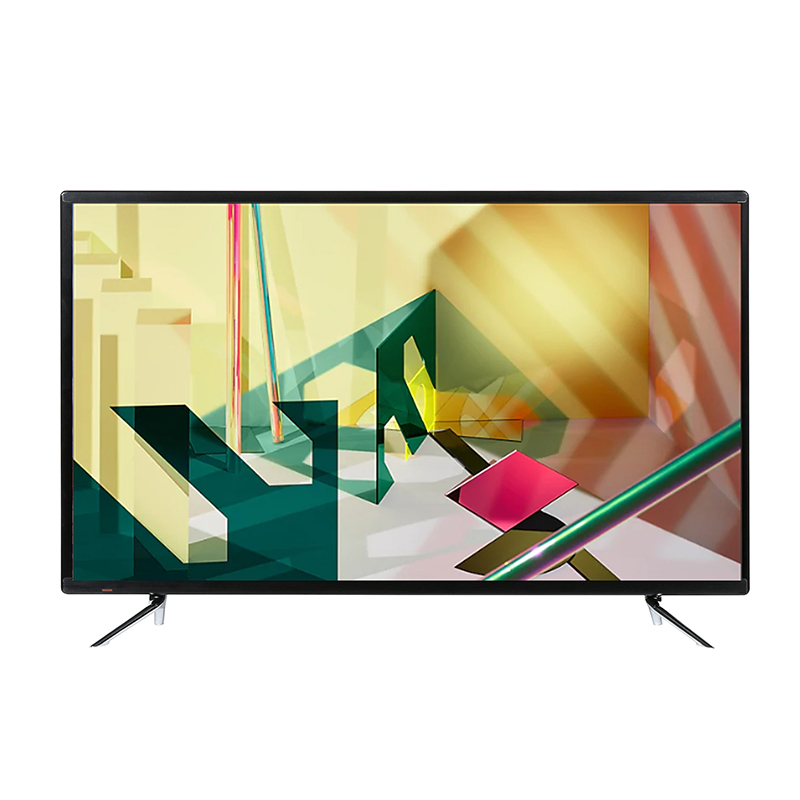 Fake TV for Staging: 42 vs 50 vs 55 vs 60 vs 70 (Which Size Looks Right?)
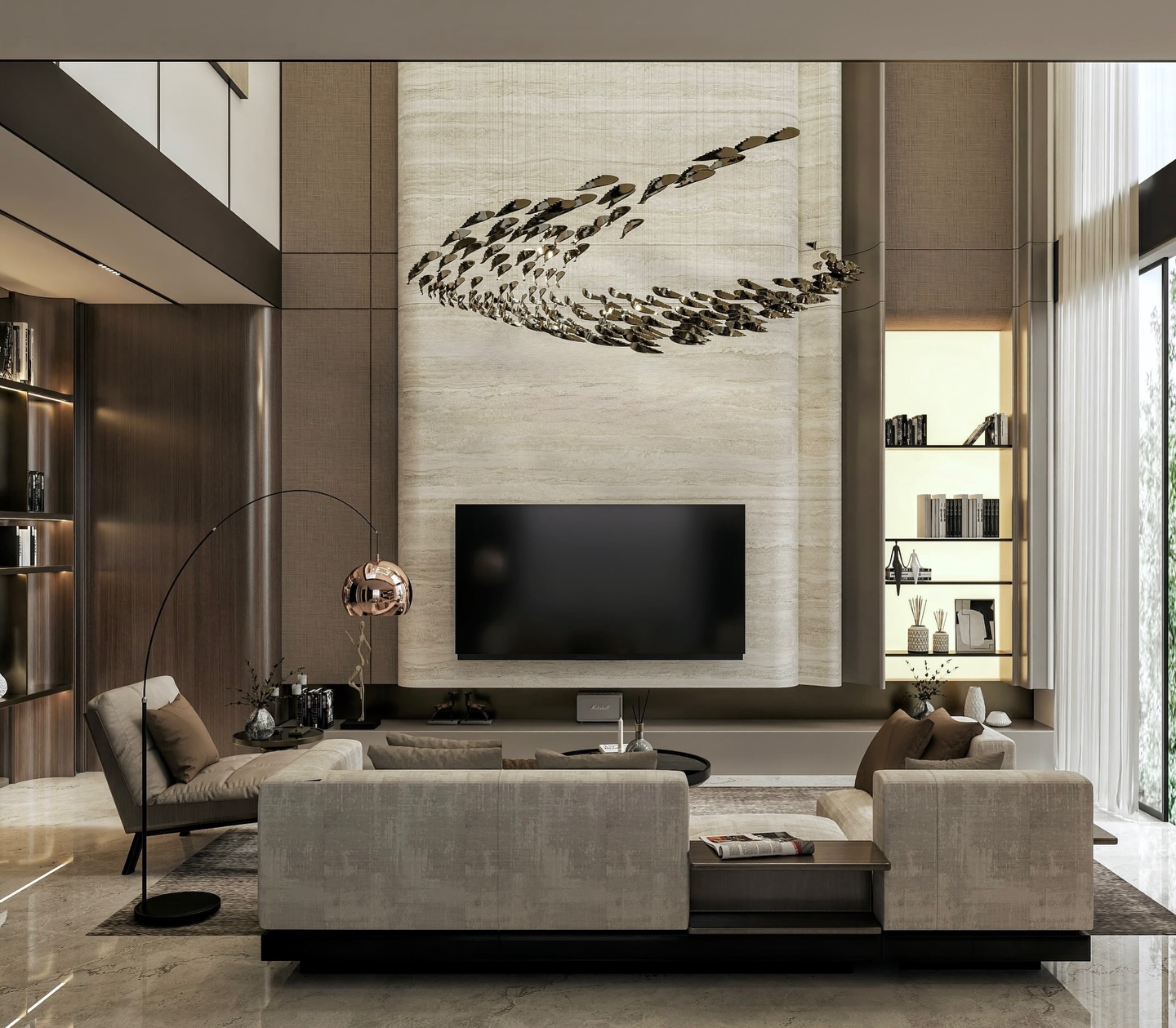 Why UK Showroom Projects Often Fail at the Packaging Stage
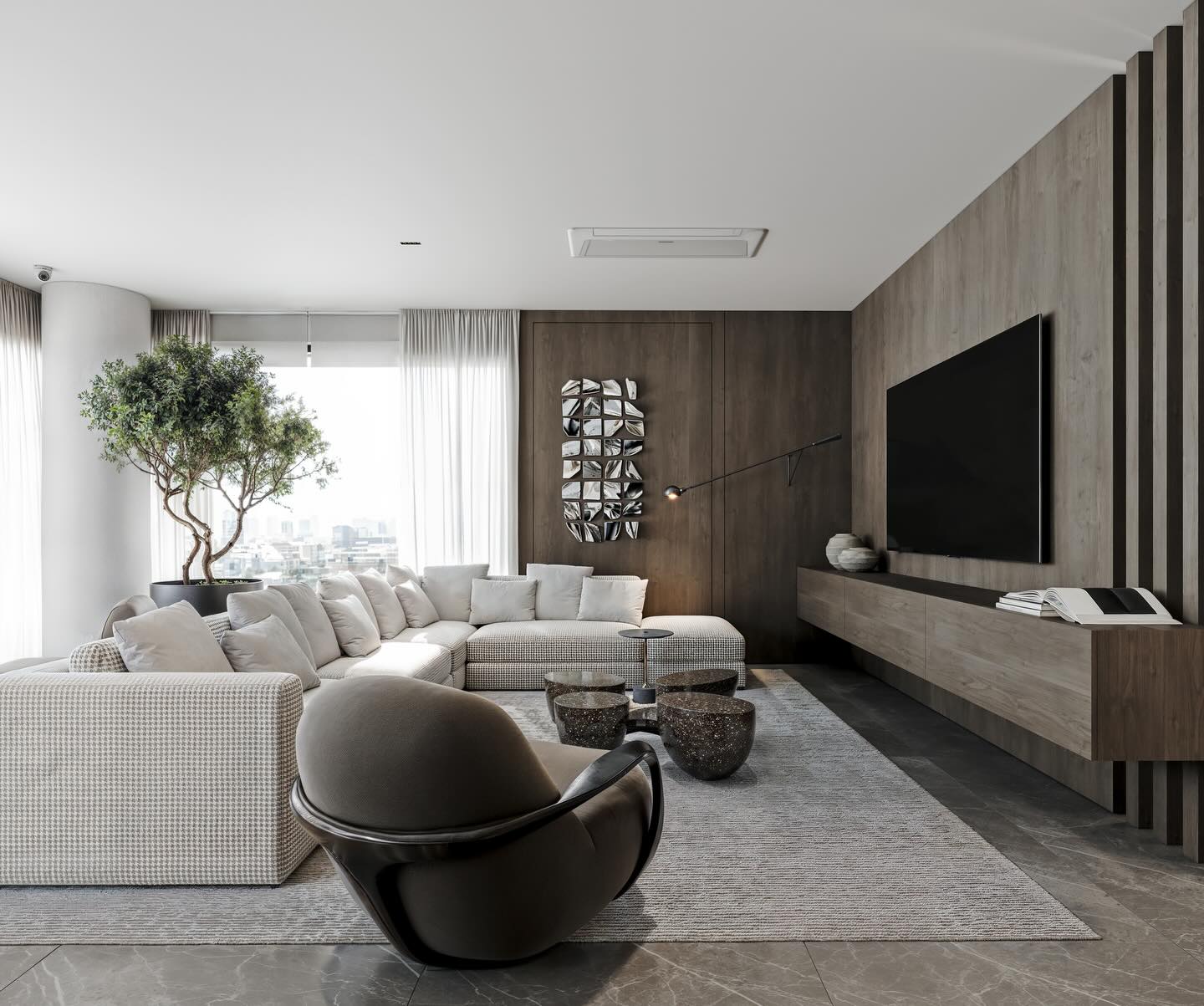 Why Display Consistency Breaks First in Multi-Store US Showroom