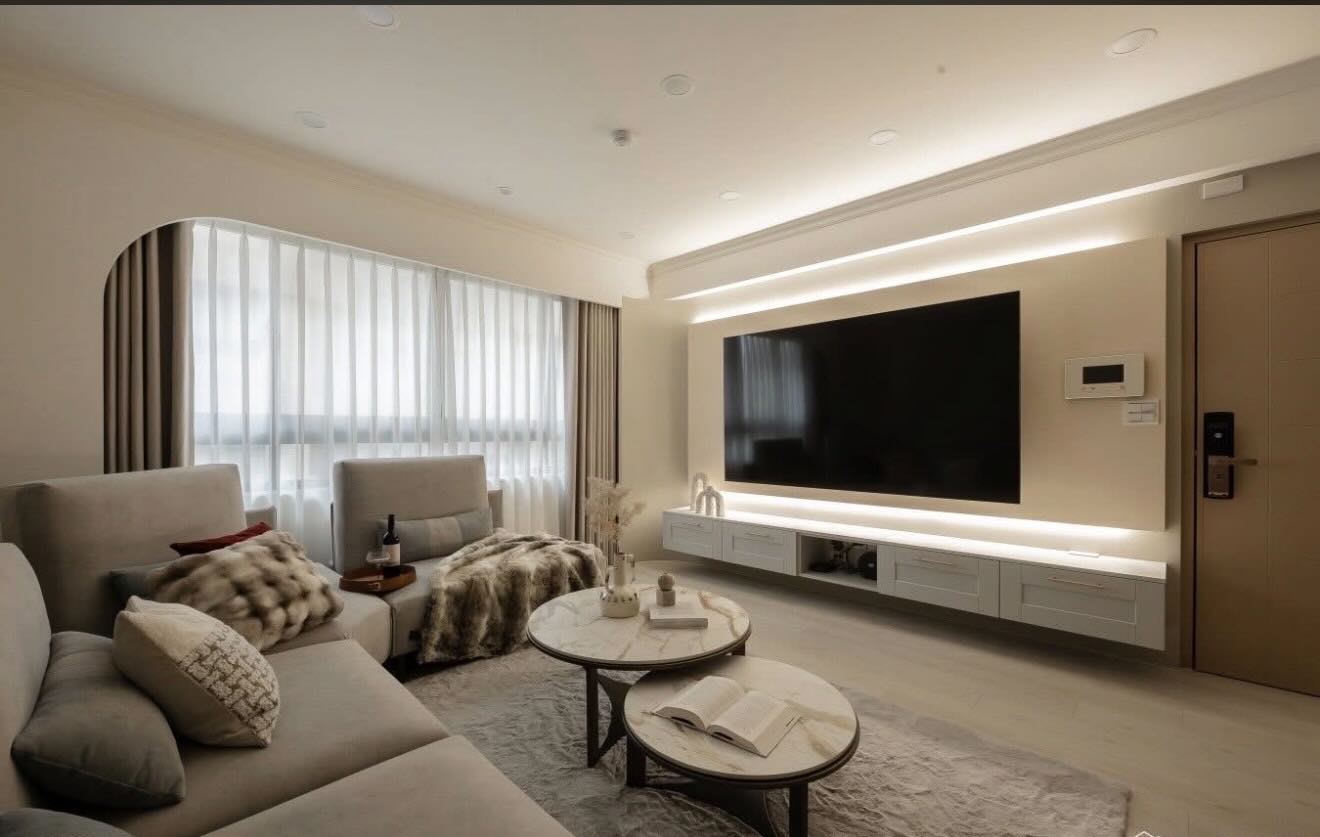
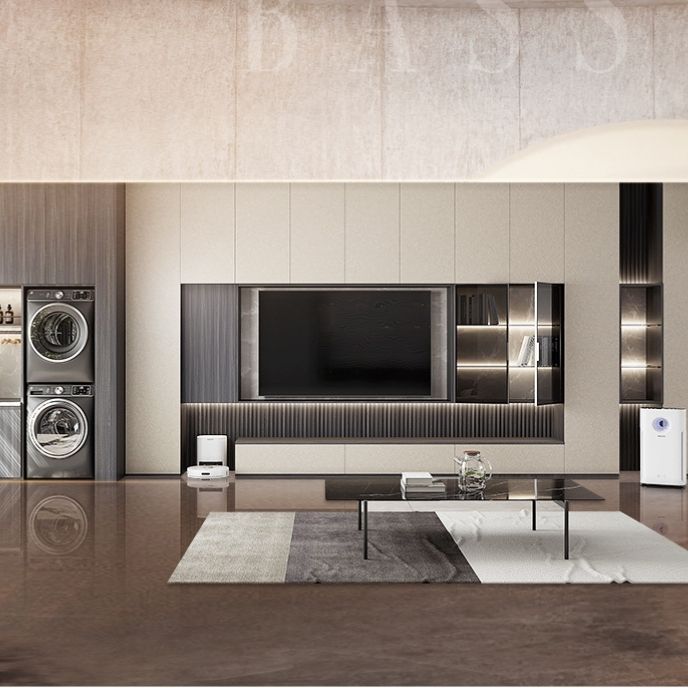
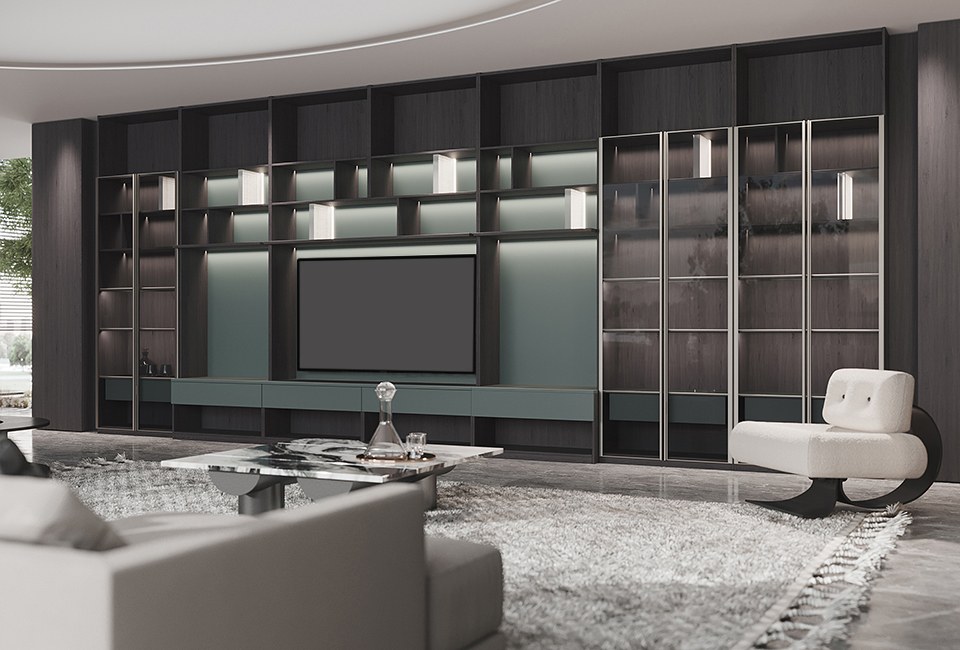
Learn why Australian property developers and interior designers use dummy TVs, prop laptops, and display electronics in model homes to create attractive and maintenance-free staging environments.
Explore how prop electronics support minimalist interior design in showrooms and model homes. Learn how designers use dummy laptops, tablets, and TVs to create balanced and distraction-free spaces.
Discover why furniture showrooms and interior designers are increasingly choosing dummy TVs instead of real screens. Learn how prop TVs improve showroom aesthetics, reduce cost, and create a perfect visual staging experience.
Choosing the right prop TV size isn’t about “bigger is better”—it’s about room scale, furniture balance, and rollout efficiency. This article compares 42 vs 50 vs 55-inch dummy TVs for staging and showrooms, showing where each size performs best: 42" for compact rooms and secondary zones, 50" as a flexible middle option, and 55" as the standard for main living-room vignettes and hero walls. It also explains why professional teams build mixed-size staging kits and what to confirm before ordering, including placement (wall-mount vs console), surface finish under lighting, and export-ready packaging.
Not sure what prop TV size looks right in a staged living room? This guide breaks down 42/50/55/60/70-inch dummy TVs by space type (showrooms, model homes, exhibitions) and helps you choose the most realistic scale fast.
In the UK furniture and retail market, showroom challenges often originate in logistics rather than design. This article examines how packaging design, sea freight realities, and replenishment cycles affect long-term showroom performance, and why display-only TVs align better with UK trade and warehousing requirements.
As US furniture brands expand showroom networks across multiple locations, display consistency becomes increasingly difficult to maintain. This article explores why functional TVs introduce hidden variability at scale, and how display-only solutions help brands protect visual standards, simplify rollouts, and maintain long-term showroom consistency.
In professional staging environments, silence is often the most powerful design choice. This article explores why turning screens off — or removing functional electronics entirely — helps designers maintain visual consistency, emotional clarity, and long-term stability in showrooms, model homes, and exhibition spaces.
As the showroom and staging industry enters 2026, display decisions are shifting from isolated products to structured systems. This article explores how professional staging is becoming more standardized, scalable, and execution-driven across furniture showrooms, model homes, and exhibition environments.
Functional TVs often introduce visual inconsistency, safety risks, and maintenance challenges in furniture showrooms. This article explains why more brands and designers are choosing Props TVs as a professional display solution for staged environments.